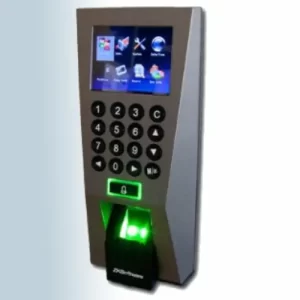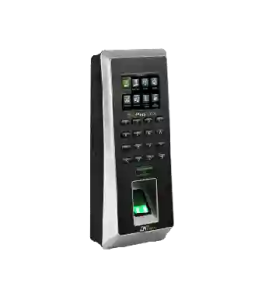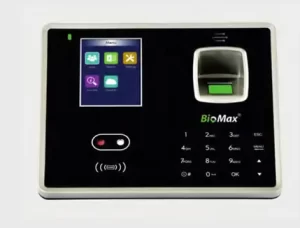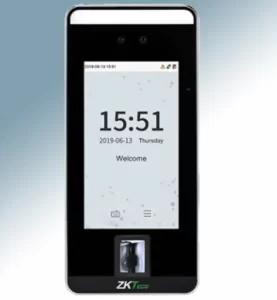
 In today’s fast-paced business environment in Dubai, managing employee attendance manually is no longer practical. Companies are moving toward biometric time attendance systems to improve accuracy, reduce payroll errors, and prevent time fraud. But with so many options available in the UAE market, choosing the right system can be confusing.
This guide will help you understand what really matters when selecting a biometric attendance system for your office in Dubai.
Why Dubai Businesses Are Switching to Biometric Systems
Dubai companies operate in a highly competitive and compliance-driven environment. Whether it’s an SME, construction firm, retail chain, or corporate office, the need for accurate attendance tracking is the same.
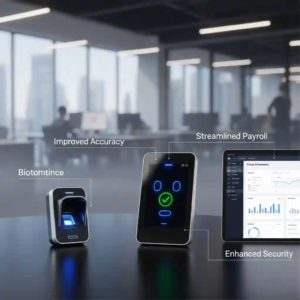
Biometric systems offer:
- Elimination of buddy punching (fake attendance)
- Accurate payroll calculations
- Real-time employee tracking
- Integration with HR and payroll software
- Better workforce discipline
Key Factors to Consider Before Buying Biometric Attendance System for your Dubai Office
1. Type of Biometric Technology
Different technologies suit different environments:
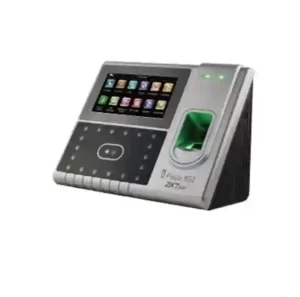
- Fingerprint systems – Most common and cost-effective
- Face recognition systems – Ideal for hygiene-focused workplaces
- Palm/iris recognition – High-security environments
- RFID/card-based systems – Backup or hybrid solutions
In Dubai offices, face recognition systems are becoming increasingly popular due to speed and contactless operation.
Software Integration With Third-Party Applications
This is one area many businesses don’t pay enough attention to at the beginning, but it makes a huge difference later. A biometric system is only truly useful when it connects smoothly with your existing HR and payroll setup. Otherwise, you end up doing extra manual work every month just to move attendance data from one system to another, which defeats the whole purpose of automation.
A good system should integrate with:
Payroll software
HR management systems
Excel/cloud reporting tools
Employee Capacity
One thing that often gets overlooked when buying a biometric system is how many employees it can actually handle. It might not seem important at the start, but it becomes a real issue when your team grows or you expand to multiple branches.
For small offices, a basic system that supports around 50–200 users is usually enough. Medium-sized companies typically need something more stable that can manage anywhere between 200 and 1,000 employees without slowing down. For larger enterprises, especially those with multiple locations, you’ll need a system built for 1,000+ users with proper multi-branch support.
The key point is simple — don’t buy just for today. Always choose a system that can comfortably scale as your business grows.
4. Speed and Accuracy
When you’re dealing with a busy office or an industrial site, even a small delay at the attendance point can create unnecessary queues and frustration. People don’t want to stand around waiting just to mark attendance, especially during peak entry times.
That’s why speed really matters. A good biometric system should recognize users in less than a second so the flow stays smooth. At the same time, accuracy is just as important — the system should reliably identify the right person every time without repeated attempts or errors.
It’s also worth looking for features like anti-spoofing technology to prevent fake entries, along with enough storage capacity to handle large volumes of attendance logs without slowing down the device.
Connectivity Options
This is another point people usually ignore until they actually start using the system day-to-day. A biometric device might work perfectly on its own, but if it’s not flexible in how it connects and shares data, things can get complicated pretty quickly.
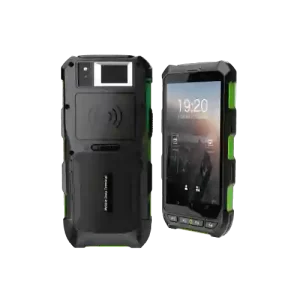
Modern systems should give you multiple ways to connect and manage data. TCP/IP (LAN connection) is still the most stable option for offices, while WiFi adds flexibility when wiring is not practical. USB export is useful as a backup when you just need to quickly pull attendance data. And more importantly, cloud-based access has become a big advantage, especially for managers who want to check attendance remotely without being physically present at the office.
Cloud systems are especially helpful for companies with multiple branches across Dubai, Sharjah, or Abu Dhabi because everything stays synced in one place instead of managing separate devices individually.
After-Sales Support in UAE
This is something many people don’t really think about when buying a biometric system, but in reality it can make or break your experience. The device might be top quality, but if something goes wrong and there’s no proper support, even a simple issue can turn into a long headache.
In Dubai, it’s always better to go with a supplier who actually provides local technical support, not just sales. Installation and proper configuration are equally important because most issues people face later come from incorrect setup at the beginning. Training for your HR or admin team also helps a lot so they’re not dependent on outside help for basic tasks. And if the company offers maintenance contracts, it usually means you’ll have peace of mind in the long run.
Without proper support, even a good system can quickly become something you avoid using instead of relying on.
Popular Brands Used in Dubai Offices
Some of the most widely used biometric brands in the UAE include:
- ZKTeco (very common in SMEs and large projects)
- Hikvision (strong integration with CCTV systems)
- Suprema (premium enterprise solutions)
- HID Global (high-security environments)
- Anviz (growing in SMB segment)
Each brand has strengths depending on budget and project size.
Common Mistakes to Avoid to be Avoided While Choosing Biometric Attendance Systems in Dubai
Many businesses in Dubai make these mistakes:
- Choosing the cheapest device without software support
- Ignoring integration with payroll systems
- Not considering employee volume growth
- Buying without checking local service availability
- Using outdated standalone systems
These mistakes often lead to inefficiency and extra costs later.